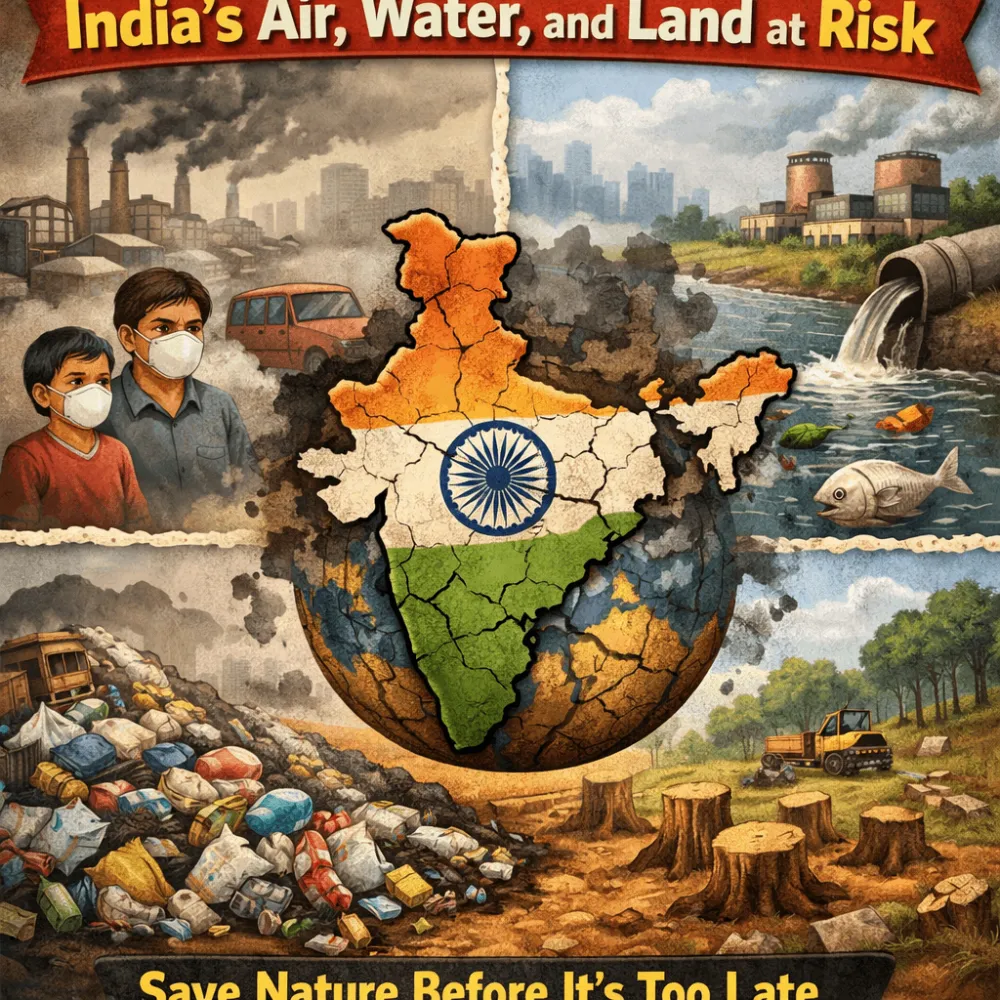
INDIA'S AIR, WATER AND LAND AT RISK

THE MAIN TOPIC IS AIR POLLUTION
In our everyday lives, everyone uses transportation for various purposes to make tasks easier. However, by relying on vehicles, we also contribute to pollution, which negatively impacts our country.
Pollution affects people everywhere and impacts daily life in many ways. The air we breathe is often contaminated with dust, smoke, and harmful gases from vehicles, factories, and other industrial sources. This can lead to health problems, including coughing, allergies, and breathing issues. The air sometimes feels heavy, especially in busy areas with heavy traffic, like those near IT companies where traffic jams are common. Additionally, noise pollution from traffic and other sources can contribute to stress. Living with pollution has made daily life more challenging, affecting our mental well-being and increasing tension and stress.
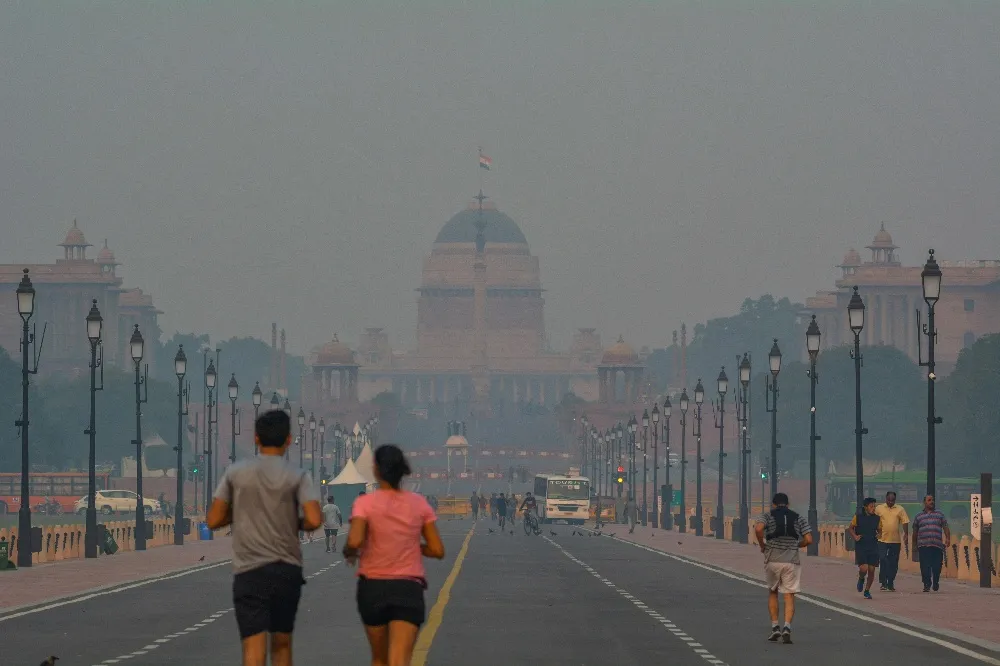
As we all know, the familiar news is about the current situation in New Delhi. where peoples suffering a lot from air pollution
The Air Quality Index (AQI) in Delhi is around 165–173, which falls under the “Unhealthy” category. This indicates that the air contains high levels of harmful pollutants such as PM2.5 and PM10 particles, which can negatively affect human health and cause breathing problems, especially for children, the elderly, and people with respiratory diseases.(Source: Central Pollution Control Board (CPCB), Air Quality Index reports on Delhi).
For the future, our country should strive to be free from air pollution by creating a cleaner and healthier environment where people can breathe peacefully and enjoy happier lives. Governments should enforce stricter environmental laws and encourage the use of renewable energy sources, such as solar and wind power. Cities should prioritize developing green spaces, planting more trees, and improving public transportation to reduce vehicle emissions. If these changes are implemented, future generations will inherit a cleaner and safer world.
WE CAN MAKE A DIFFERENCE BY ADOPTING POSITIVE ENVIRONMENTAL PRACTICES IN OUR DAILY LIVES:-
1. CLEANER ENERGY
In the future, i want to see greater use of renewable energy such as solar, wind and hydro power. Reducing the use of coal and fossil fuels will help decrease air pollution and protect the environment.
2. BETTER PUBLIC TRANSPORTATION
Cities should improve public transport systems so people don't rely on private vehicles. Such as electric buses, metro systems, and cycling can help to reduce air pollution.
3. MORE TREES AND GREEN SPACES
Planting more trees will help to reduce air pollution. Green parks and urban forests can make cities healthier and more beautiful. Plant more trees; trees will protect us.
4. ENVIRONMENTAL LAWS
The government should implement strong environmental laws against hazardous chemicals, toxic gases, and factories that create huge air pollution in India. The government should introduce strict pollution control policies and ensure industries follow environmental laws to reduce harmful emissions.
5. ENVIRONMENTAL AWARENESS
Environmental awareness should be taught effectively in schools, society, and communities, especially as pollution continues to cause breathing problems and other serious health issues. It is important to educate people about the consequences of environmental damage and encourage responsible behavior. By promoting sustainable lifestyles and the careful use of natural resources, we can protect our planet and ensure a healthier future for generations to come.
6. A SUSTAINABLE FUTURE
I hope to see a better future where development and environmental protection work together. By taking advanced and responsible steps to reduce air pollution, we can create cleaner air for everyone. It is important to maintain healthy ecosystems and protect our planet so that future generations can live in a safe and sustainable environment.
WATER POLLUTION
Water pollution occurs when harmful substances such as chemicals, waste, and plastics contaminate rivers, lakes, seas, and groundwater, making the water unsafe for humans, animals, and plants.
Here is some information about water pollution and how the use of hazardous substances can seriously affect water resources and the environment:-
Yamuna is considered to be one of the most severely polluted rivers in the world. The reason behind the drainage, dead bodies, plastic bags, and so on.
Long ago, the waters of the Yamuna were pristine blue. Today, however, it is considered one of the most severely polluted rivers in the world. The river becomes particularly polluted downstream of New Delhi, the capital of India, which releases nearly 58% of its waste into the Yamuna. Much of this pollution begins near Wazirabad, where the river first enters Delhi and receives large amounts of untreated sewage and waste.
There are many activities taking place in India that contribute to pollution in our country. Because of these reasons, the environment is becoming increasingly polluted. The main sources of pollution are:
Domestic Sources:-
According to a report submitted to the Yamuna Pollution Control Committee by the Delhi Pollution Control Committee and the Central Pollution Control Board (CPCB), a large amount of waste enters the river. At least 90% of this wastewater is contaminated due to the use of detergents, household activities, laundry chemicals, and phosphate compounds.
Samples collected from the river were found to have a phosphate concentration of 0.51 mg per litre, which is much higher than the normal range of 0.005 to 0.05 mg per litre.
This abundance of phosphate formed layers of toxic froth covering the rivers.
Industrial heavy metal contamination:-
The catchment area of the River Yamuna in Delhi is highly urbanized and connected to several drains. Among them, the Najafgarh and Shahdara drains are the major drains that discharge a heavy load of pollutants into the river.
Rapid urbanization, population growth, and increasing industrialization pose a major threat of heavy metal pollution to nearby water bodies. Water quality monitoring of the River Yamuna has indicated a significant presence of several heavy metals in its water.
Among the heavy metals detected in the Yamuna, iron (Fe) was found to be the most abundant and even exceeded the permissible limit.
High concentrations of heavy metals in water can cause serious health effects, such as reduced growth and development, cancer, organ damage, and damage to the nervous system.
Plastic pollution:-
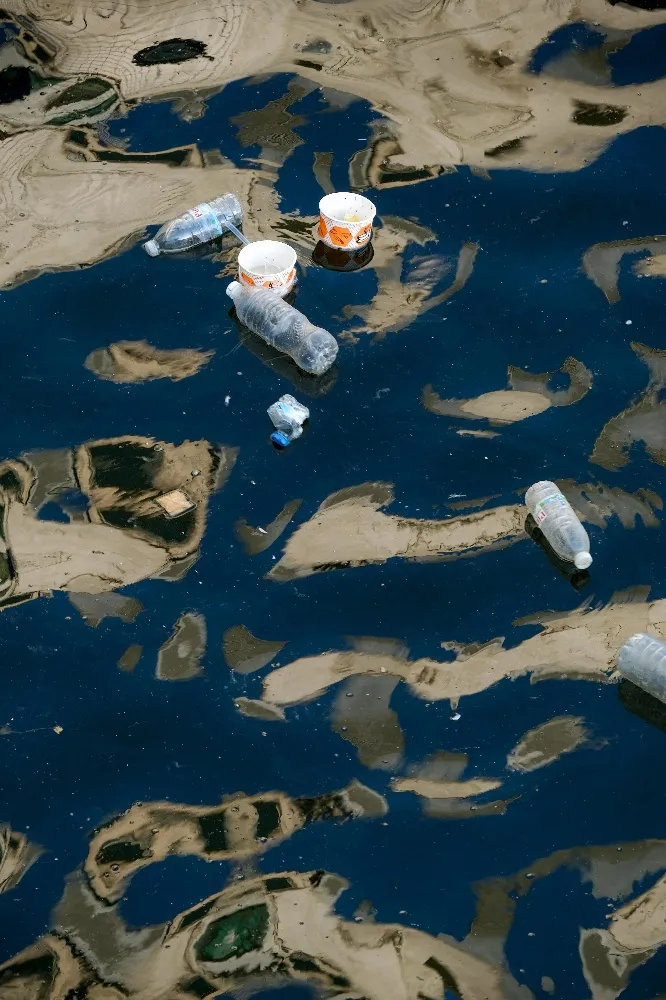
In Agra, the Yamuna has been severely affected by intense plastic pollution. Even after the 2017 ban on single-use plastics, their use continues to be widespread, as reflected in the large amount of plastic waste produced.
According to records, Delhi produces 2,51,674 tonnes of plastic every year, nearly 50% of which is single-use plastic. This amount is often compared to the weight of about 63,000 elephants.
Along the riverbanks, waste such as flip-flops, paper products, and plastic bags lies in piles every few feet. Much of this plastic, including recyclable bags, eventually ends up in the river.
IN THE FUTURE, I WANT TO MAKE AN IMPACTFUL CHANGE TO PROTECT AND IMPROVE OUR WATER ECOSYSTEM.
In the future, I hope to contribute to protecting and restoring the water ecosystem. Plastic waste and other sources of pollution must be reduced to save our rivers. The excessive use of chemicals in our daily lives has greatly affected water quality. By reducing pollution and keeping our rivers clean, we can create a healthier environment and a better future for India.
Let us work together to make India a better country. We should all become responsible citizens and keep our surroundings clean, which will benefit both ourselves and others. By protecting our environment and water resources, we can build a healthier future for our nation. Swachh Bharat, Jai Hind!
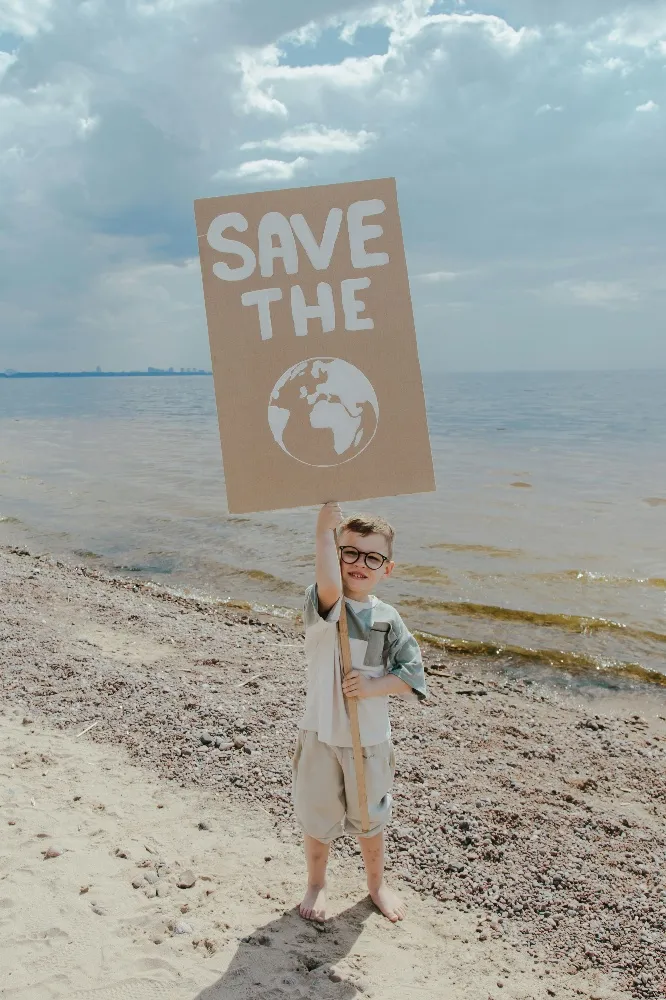
Now let’s talk about land pollution. What is currently happening in India?
Land pollution:-
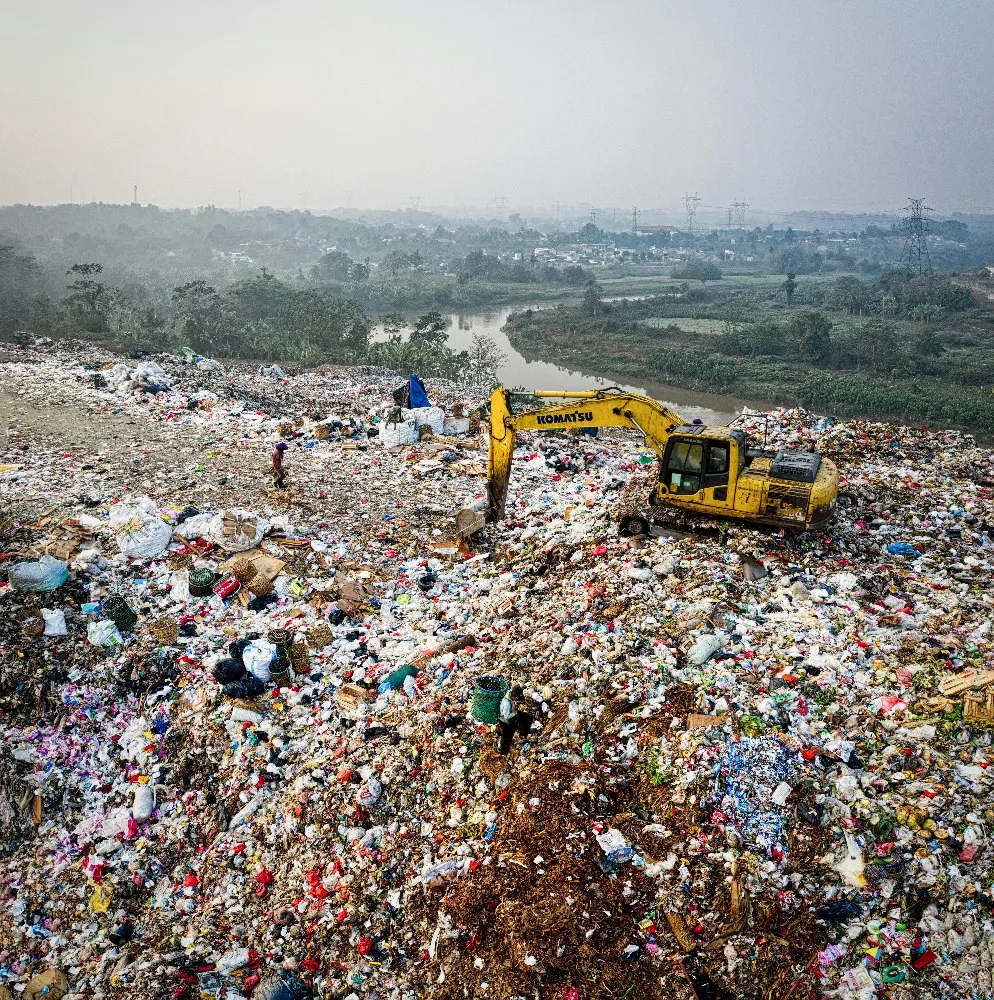
Land pollution is one of the major environmental problems in India and around the world. It occurs when waste materials, chemicals, and harmful substances are dumped on the land, making the soil unhealthy and unsafe. Rapid population growth, urbanization, and industrial activities have increased land pollution in many area's.
The following is a real incident in India related to land pollution.
India is now reaping what it had sown decades ago. Prolonged use of toxic industrial chemicals in electrical equipment have contaminated the country’s soil, air and possibly water, finds a new study.
Brahmapuram Landfill
In March 2023, a fire broke out at the Brahmapuram waste plant, releasing toxic smoke and causing widespread public concern. In response to the incident, SHSRC-Kerala prepared a report and plan of action on its health impacts for the Directorate of Health. The report was developed in the previous financial year at the request of the Kerala Health Department.
Baghjan Gas and Oil Leak
The Baghjan Gas and Oil Leak (Assam 2020) was an industrial disaster that began on May 27, 2020, at an Oil India Limited well in Baghjan, Tinsukia district, Assam, India. The blowout caused massive fires, ecological damage near National Park, and large-scale displacement of residents, marking one of India’s worst recent energy-sector accidents.
Mavallipura Landfill
The Mavallipura Landfill is a major solid-waste dumping site located near Yelahanka on the northern outskirts of Bengaluru, Karnataka, India. It became one of the city's largest waste disposal sites in the early 2000s, symbolizing Bengaluru’s growing municipal waste challenges and the environmental impact of rapid urbanization.
CONCLUSION-
Pollution is a serious problem in India that affects the environment, human health, and wildlife. To reduce pollution, people must adopt eco-friendly habits, properly manage waste, and protect natural resources. With the combined efforts of the government and citizens, India can create a cleaner, healthier, and greener future. Please save our earth at any cost.🌱🌏